





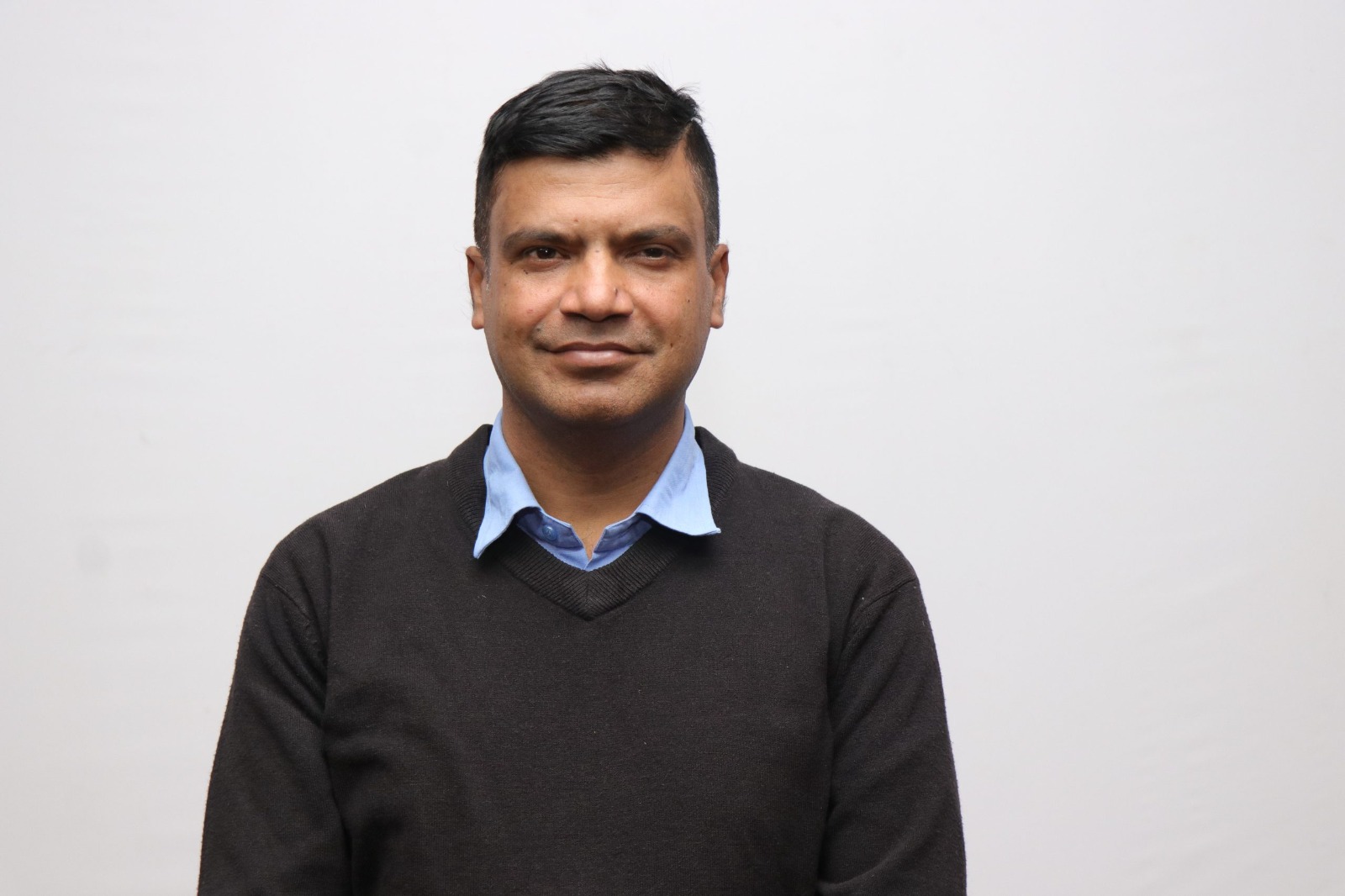
For over twenty-five years, Sudhan Subedi has been actively engaged in Nepal’s tourism sector, blending professional experience with academic teaching, research, policy analysis and public writing. His work explores tourism not merely as an industry but as a catalyst for community development, cultural preservation and sustainable economic growth.
Born in Kirtipur, Kathmandu, Subedi has established himself as a respected tourism commentator whose writings regularly examine destination management, tourism governance, sustainability, heritage conservation, digital transformation, visitor experiences and the evolving challenges facing Nepal’s tourism industry. Rather than focusing solely on promotional narratives, his articles encourage critical thinking, evidence-based policymaking and practical reforms grounded in both international best practices and Nepal’s unique realities.
Alongside his professional responsibilities, he has taught tourism and sustainable tourism at the university level for more than fourteen years, mentoring future tourism professionals through research-oriented learning. His contributions to tourism journalism earned him the NATTA Media Award (Travel Writer) in 2019, recognising his role in promoting informed public discourse on tourism.
In this conversation, Subedi reflects on his journey as a writer, educator and researcher, and shares his vision for the future of Nepal’s tourism.
Reporter: Many people know you through your articles before they know you through your professional role. How do you describe yourself—as a tourism professional, a writer, or a researcher?
Sudhan Subedi:
I don’t see these as separate identities. My professional work provides practical exposure, research helps me understand issues more deeply, and writing allows me to share those insights with a wider audience. Together they complement one another. Tourism is constantly evolving, and understanding it requires both field experience and continuous learning.
Reporter: Your writing often discusses policies, governance and sustainability instead of simply describing destinations. Why have you chosen that direction?
Sudhan Subedi:
Beautiful destinations have already been written about extensively. What interests me is understanding why some destinations flourish while others struggle despite having similar attractions. Tourism is shaped by planning, community participation, infrastructure, leadership and long-term vision. Writing about these dimensions creates conversations that can eventually influence better decisions.
Reporter: Where do your ideas usually come from?
Sudhan Subedi:
Mostly from travelling, interacting with local communities, observing visitors and reading extensively. Every destination tells multiple stories beyond its landscapes. Sometimes a conversation with a guide, a homestay owner or a local resident reveals far more than official reports. I try to connect these field observations with academic research and global experiences.
Reporter: Many readers appreciate that your articles include recommendations instead of only criticism.
Sudhan Subedi:
I believe constructive writing is more meaningful. Every challenge also presents an opportunity. Rather than asking who is responsible for a problem, I prefer asking how it can be improved. Tourism develops through collaboration, and writing should contribute ideas that encourage dialogue instead of creating division.
Reporter: You have been teaching tourism for many years. How has teaching influenced your own thinking?
Sudhan Subedi:
Teaching is a two-way learning process. Students constantly ask questions that challenge established assumptions. Their curiosity encourages me to continue researching and updating my own understanding. I always tell students that tourism is not about memorising concepts but about observing society, analysing change and proposing innovative solutions.
Reporter: What areas of tourism research currently interest you the most?
Sudhan Subedi:
I’m particularly interested in sustainable tourism, destination management, community participation, visitor behaviour, destination branding and tourism communication. Increasingly, I’m also exploring how digital technologies and artificial intelligence can strengthen tourism planning while ensuring that human connections remain at the centre of visitor experiences.
Reporter: Tourism is changing rapidly around the world. Where do you think Nepal should focus its attention?
Sudhan Subedi:
Nepal should focus on quality rather than simply increasing arrival numbers. Sustainable destinations, responsible visitor management, stronger local economies, authentic experiences and environmental conservation should become central priorities. Tourism should improve the lives of local communities while offering meaningful experiences to visitors.
Reporter: You have also remained active in volunteerism and community initiatives. Does that influence your perspective on tourism?
Sudhan Subedi:
Very much so. Tourism succeeds when communities feel ownership of it. Heritage conservation, local entrepreneurship and youth participation are closely connected with tourism development. My involvement in community activities has reinforced the belief that development becomes sustainable only when local people are active partners rather than passive beneficiaries.
Reporter: Receiving the NATTA Media Award recognised your contribution to tourism writing. Looking back, what does that recognition represent today?
Sudhan Subedi:
Awards are encouraging, but they are also reminders of responsibility. They motivate us to continue contributing with honesty, credibility and commitment. I see the award as recognition not only of my own work but also of the importance of thoughtful tourism journalism in shaping public understanding.
Reporter: Finally, what message would you like to share with young researchers and aspiring tourism writers?
Sudhan Subedi:
Remain curious. Visit places with open eyes, listen carefully to local communities and never stop reading. Tourism writing should go beyond describing attractions—it should explain why destinations matter, how they evolve and what can be done to protect them. Research, compassion and integrity should always guide our work. When knowledge is shared responsibly, it becomes a powerful force for positive change
प्रतिक्रिया