





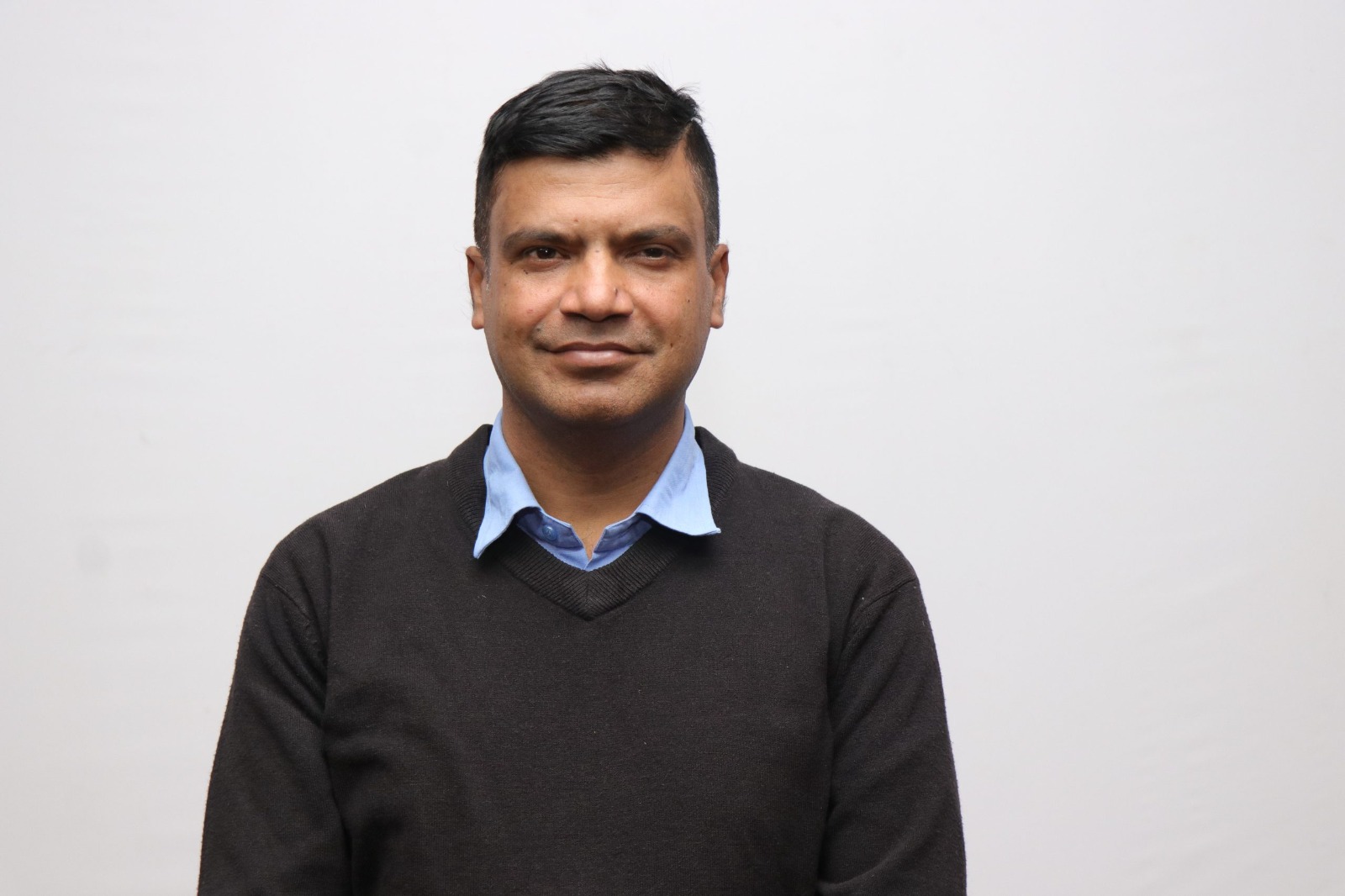
Born in Kirtipur, Kathmandu, in 1981, Sudhan Subedi belongs to a generation that witnessed Nepal’s social, political, and economic transformation firsthand. Growing up in one of the Kathmandu Valley’s oldest cultural settlements, rich in history, heritage, and community traditions, he developed an early appreciation for the relationship between people, culture, and place. These formative experiences would later shape both his professional career and his philosophy of tourism—not merely as an economic activity, but as a vehicle for cultural preservation, community empowerment, and sustainable development.
Over the past twenty years, Sudhan has established himself as a tourism professional, researcher, educator, travel writer, and communication strategist. Equally important, he has remained actively engaged in social initiatives, particularly those aimed at youth empowerment, volunteerism, heritage conservation, and community development. He believes that meaningful tourism begins with strong communities and that destinations flourish when local people become active participants rather than passive beneficiaries. This belief has guided not only his professional responsibilities but also his long-standing involvement in civic and volunteer organizations.
Throughout his career, Sudhan has consistently sought to bridge tourism practice with scholarship. As a tourism professional at the Nepal Tourism Board, he has contributed to destination promotion, strategic communication, public relations, digital tourism campaigns, and destination branding. Yet his greatest influence arguably lies beyond institutional responsibilities—in the ideas he writes, the research he undertakes, and the students he mentors.
Tourism writing has become one of the defining features of his professional identity. At a time when tourism discourse is often dominated by promotional campaigns and visitor statistics, Sudhan has chosen to focus on the deeper questions shaping the future of tourism.
His articles explore sustainability, destination management, tourism governance, heritage conservation, climate resilience, responsible travel, community participation, digital transformation, and tourism policy. Rather than celebrating destinations alone, his writing examines how destinations can become more resilient, inclusive, and competitive while preserving their cultural and environmental integrity.
His essays are distinguished by their blend of storytelling and scholarship. Drawing upon field experiences, research evidence, comparative international practices, and policy analysis, he presents tourism as a multidimensional discipline that intersects with economics, sociology, anthropology, environmental studies, and public policy. His writing encourages readers to think beyond immediate tourism promotion and toward long-term destination stewardship. Through regular contributions to national newspapers and professional platforms, he has become one of the emerging voices advocating research-informed tourism policies and sustainable destination development in Nepal.
Research forms the intellectual foundation of his work. His interests include sustainable tourism development, destination competitiveness, community-based tourism, destination branding, heritage tourism, tourism governance, tourism policy, digital transformation, visitor behaviour, and rural tourism. He believes that tourism policies should be informed by evidence rather than assumptions and that research must remain closely connected to practice. Consequently, his studies, publications, and professional analyses consistently seek practical solutions that can strengthen Nepal’s tourism sector while improving the well-being of host communities.
Complementing his professional and research work is his long-standing commitment to higher education. For more than fourteen years, Sudhan has taught tourism at both undergraduate and master’s levels, with a particular emphasis on Sustainable Tourism. His teaching philosophy extends beyond the transfer of knowledge; it seeks to cultivate critical thinking, ethical leadership, and research capability among future tourism professionals. By integrating classroom theory with practical experiences from the tourism industry, he encourages students to examine tourism through the lenses of sustainability, governance, innovation, and community development.
His graduate teaching places particular emphasis on understanding tourism’s broader societal responsibilities. Students are encouraged to evaluate tourism policies, analyse destination case studies, undertake field research, and propose innovative yet locally appropriate solutions. Through this approach, he seeks to prepare professionals capable of leading Nepal’s tourism sector in an increasingly competitive and sustainability-conscious global environment.
Beyond academia and tourism institutions, Sudhan has remained deeply committed to social engagement. Originating from Kirtipur, a city renowned for its vibrant civic traditions, he has actively participated in volunteer initiatives promoting youth leadership, education, heritage conservation, disaster preparedness, and community empowerment. He regards volunteerism as an extension of responsible citizenship and believes that sustainable development is achieved when communities themselves become agents of positive change. His involvement in community organisations reflects the same principles that define his approach to tourism: participation, inclusion, local ownership, and long-term resilience.
Recognising the growing importance of digital storytelling, Sudhan has also contributed to strengthening Nepal’s tourism image through photography and destination branding initiatives, particularly the #photoNepal campaign. By encouraging photographers, travellers, and local communities to share authentic visual narratives, he has supported a more participatory approach to destination marketing—one that celebrates the diversity of Nepal through the perspectives of its own people.
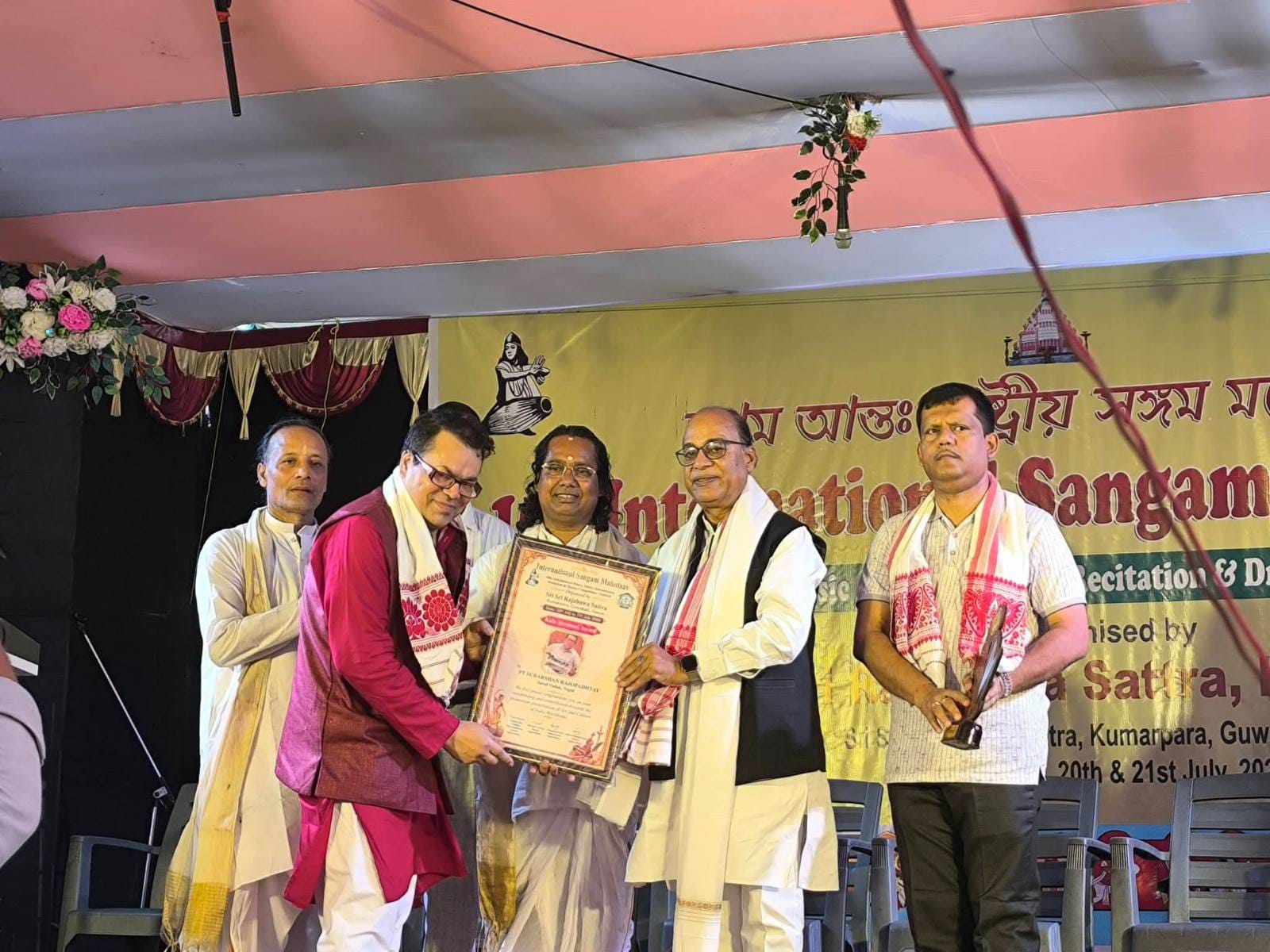
His contribution to tourism communication received national recognition in 2019, when he was honoured with the NATTA Media Award (Travel Writer) by the Nepal Association of Tour & Travel Agents (NATTA). The award acknowledged his significant contribution to travel writing and tourism journalism, recognising the role that thoughtful, research-based communication plays in promoting Nepal as a destination while encouraging responsible and sustainable tourism practices.
Throughout his professional journey, Sudhan has consistently advocated a simple but profound idea: tourism is ultimately about people. Destinations become meaningful because of the communities that preserve their heritage, protect their landscapes, and welcome visitors with authenticity. Economic success alone cannot define tourism; genuine progress must also be measured through cultural vitality, environmental stewardship, social inclusion, and improved quality of life for local people.
As Nepal seeks to strengthen its position in the global tourism landscape, voices capable of connecting research, policy, education, communication, and community engagement become increasingly important. Through his writing, research, teaching, public service, and volunteerism, Sudhan Subedi continues to contribute to that national conversation. His work reflects a lifelong commitment to ensuring that tourism not only attracts visitors but also empowers communities, inspires future generations, and contributes meaningfully to Nepal’s sustainable development.


प्रतिक्रिया