





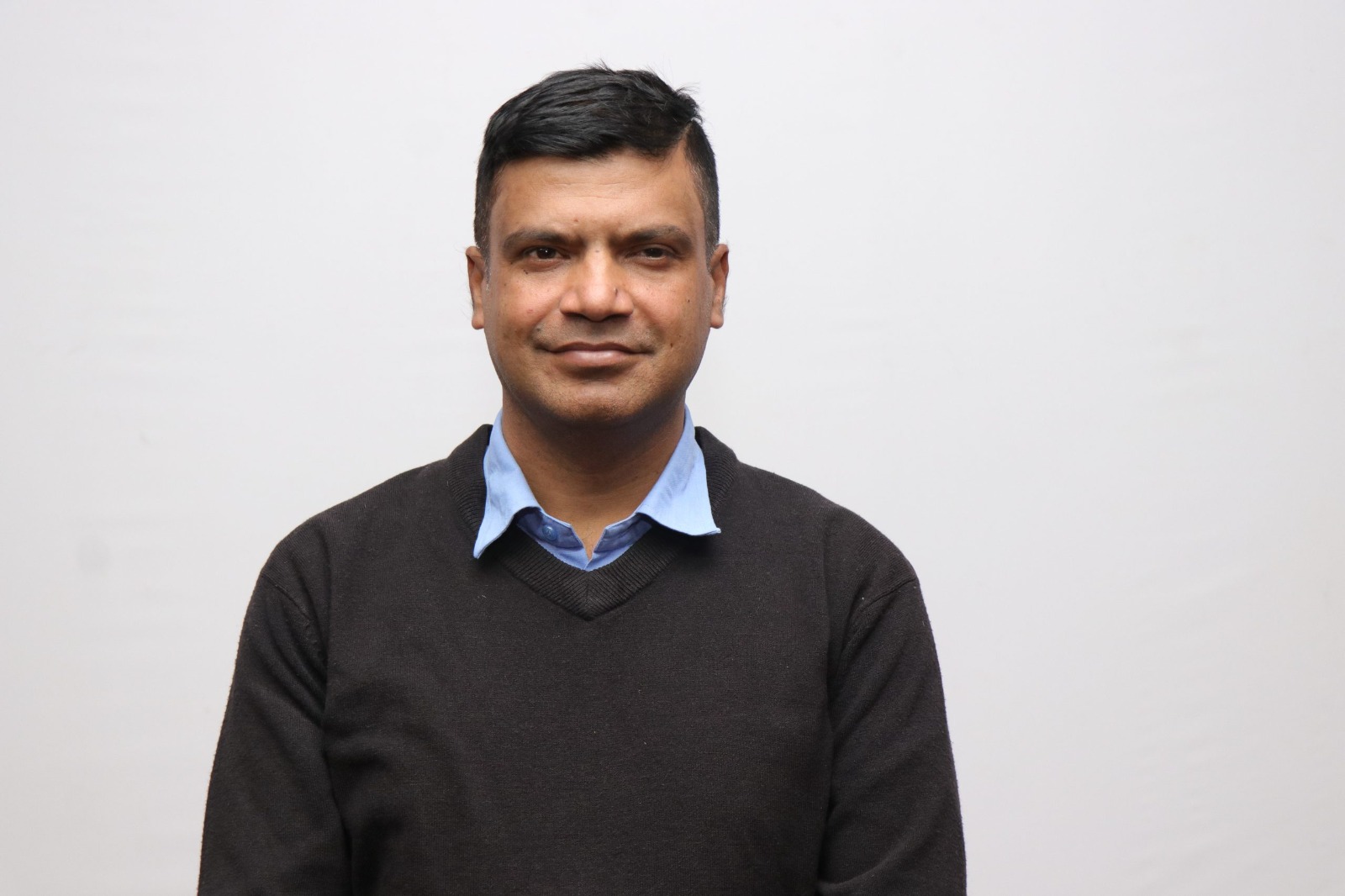
Interviewer: You were born and raised in Kirtipur, one of Nepal’s historic cities. How has your upbringing influenced your career?
Sudhan Subedi: I was born in Kirtipur, Kathmandu, in 1981, a place where history, culture, community, and everyday life are deeply intertwined. Growing up in such an environment taught me that heritage is not confined to monuments; it lives in people’s traditions, festivals, architecture, and collective memory. Kirtipur also has a strong culture of volunteerism and civic participation, which influenced me from an early age. Those experiences shaped my belief that development, including tourism, should always be community-centred. Even today, whether I write, teach, or work on tourism projects, I carry those lessons from Kirtipur with me.
Interviewer: Your professional identity spans tourism practice, research, writing, and education. Which role defines you the most?
Sudhan Subedi: They are interconnected, but if I had to choose one, I would say I am a tourism learner who communicates through writing. My professional work gives me practical insights, research helps me understand why things happen, teaching allows me to share knowledge, and writing connects all of these with a wider audience. I don’t see these as separate careers; they complement each other. Every article I write is influenced by research and field experience, and every lecture I deliver is enriched by what I learn from the industry and communities.
Interviewer: You are widely recognised for writing on tourism issues. What motivates you to write regularly?
Sudhan Subedi: Tourism is one of Nepal’s greatest opportunities, yet public discussions often revolve around visitor arrivals or promotional campaigns. I believe we need deeper conversations. My writing is an attempt to examine tourism from broader perspectives—sustainability, destination management, governance, community participation, heritage conservation, climate resilience, visitor experience, and innovation.
I do not write simply to criticise or praise. I write to ask questions, encourage dialogue, and propose practical solutions. Tourism affects livelihoods, culture, the environment, and national identity. That responsibility deserves thoughtful analysis.
Interviewer: Your articles often combine storytelling with policy analysis. Is that a deliberate approach?
Sudhan Subedi: Absolutely. Tourism itself is built on stories. Statistics are important because they help us understand trends, but numbers alone rarely inspire change. Stories make research meaningful, while research gives credibility to stories. I try to bring those two worlds together. A traveller’s experience in a remote village, for example, can open a discussion about destination management, infrastructure, or community participation. I want readers to see tourism not only through data but also through human experiences.
Interviewer: Research appears to be central to your work. What areas interest you the most?
Sudhan Subedi: My research interests revolve around sustainable tourism, destination management, community-based tourism, heritage conservation, tourism policy, destination branding, visitor behaviour, and digital transformation in tourism. I am particularly interested in understanding how tourism can create long-term value for local communities while protecting natural and cultural heritage.
Research should not remain confined to academic journals. It should inform public policy, improve destination planning, and help tourism entrepreneurs make better decisions. I believe evidence-based thinking is essential if Nepal wants to compete globally.
Interviewer: Alongside your professional work, you have been teaching tourism for many years. What do you enjoy most about teaching?
Sudhan Subedi: Teaching keeps me intellectually alive. For more than fourteen years, I have taught tourism at university level, including master’s programmes focusing on Sustainable Tourism. Every classroom is an opportunity to learn as much as to teach.
I encourage students to question established ideas rather than simply memorise theories. Tourism is changing rapidly because of climate change, technology, shifting visitor expectations, and global uncertainties. Future tourism professionals need analytical skills, ethical values, and research capability. If my students leave the classroom with curiosity and confidence to challenge existing practices, I consider that success.
Interviewer: How do you connect your professional experience with your classroom teaching?
Sudhan Subedi: I believe tourism education should never be disconnected from reality. I bring case studies from Nepal and other countries, discuss current policy issues, encourage field research, and invite students to analyse real tourism challenges. Professional experience enriches academic discussion, while academic research helps us improve professional practice. Both should complement each other.
Interviewer: You also remain active in social and volunteer initiatives. Why is community engagement important to you?
Sudhan Subedi: Tourism cannot flourish if communities are left behind. My involvement in social organisations, youth empowerment, heritage conservation, education, and volunteer activities reflects the same philosophy that guides my tourism work. Strong communities create strong destinations. Volunteerism teaches responsibility, collaboration, and empathy—qualities that are equally important in tourism.
Development should never be something done for communities; it should be something built with communities.
Interviewer: In 2019, you received the NATTA Media Award as a Travel Writer. What did that recognition mean to you?
Sudhan Subedi: Receiving the NATTA Media Award (Travel Writer) from the Nepal Association of Tour & Travel Agents was both humbling and motivating. I viewed it not simply as recognition of my personal work but as recognition of thoughtful tourism writing itself. Good travel writing can inspire people to travel, but it can also influence policy, raise awareness about conservation, and encourage responsible tourism. The award reinforced my commitment to continue writing with honesty, depth, and purpose.
Interviewer: Many people know you through your work on tourism communication and destination branding. How do you see the role of digital media today?
Sudhan Subedi: Digital platforms have transformed tourism communication. They help destinations reach global audiences instantly, but digital content should never replace authenticity. Technology is a medium; experience is the destination. Initiatives such as visual storytelling and community-generated content demonstrate that the most powerful tourism promotion comes from genuine experiences shared by real people.
The future lies in combining digital innovation with human connection.
Interviewer: What do you think are Nepal’s biggest tourism opportunities over the next decade?
Sudhan Subedi: Nepal already possesses extraordinary natural and cultural assets. The next challenge is creating greater value from those assets through better destination management, higher-quality visitor experiences, stronger community participation, improved research, innovation, and sustainability. Success should not be measured only by the number of tourists but by how tourism improves local livelihoods, protects heritage, conserves nature, and enhances Nepal’s global reputation.
Interviewer: Finally, what message would you like to leave for young tourism professionals and researchers?
Sudhan Subedi: Stay curious. Travel widely within Nepal before looking elsewhere. Read research, question assumptions, listen to communities, and never stop learning. Tourism is one of the few industries that connects people, culture, environment, and economics in such a profound way. If we approach it with responsibility and imagination, tourism can become one of Nepal’s strongest instruments for sustainable development.
For me, tourism has never been just about promoting destinations. It is about building a future where communities prosper, heritage is respected, nature is protected, and every visitor leaves with a story worth sharing.

प्रतिक्रिया